by Erica Pandey
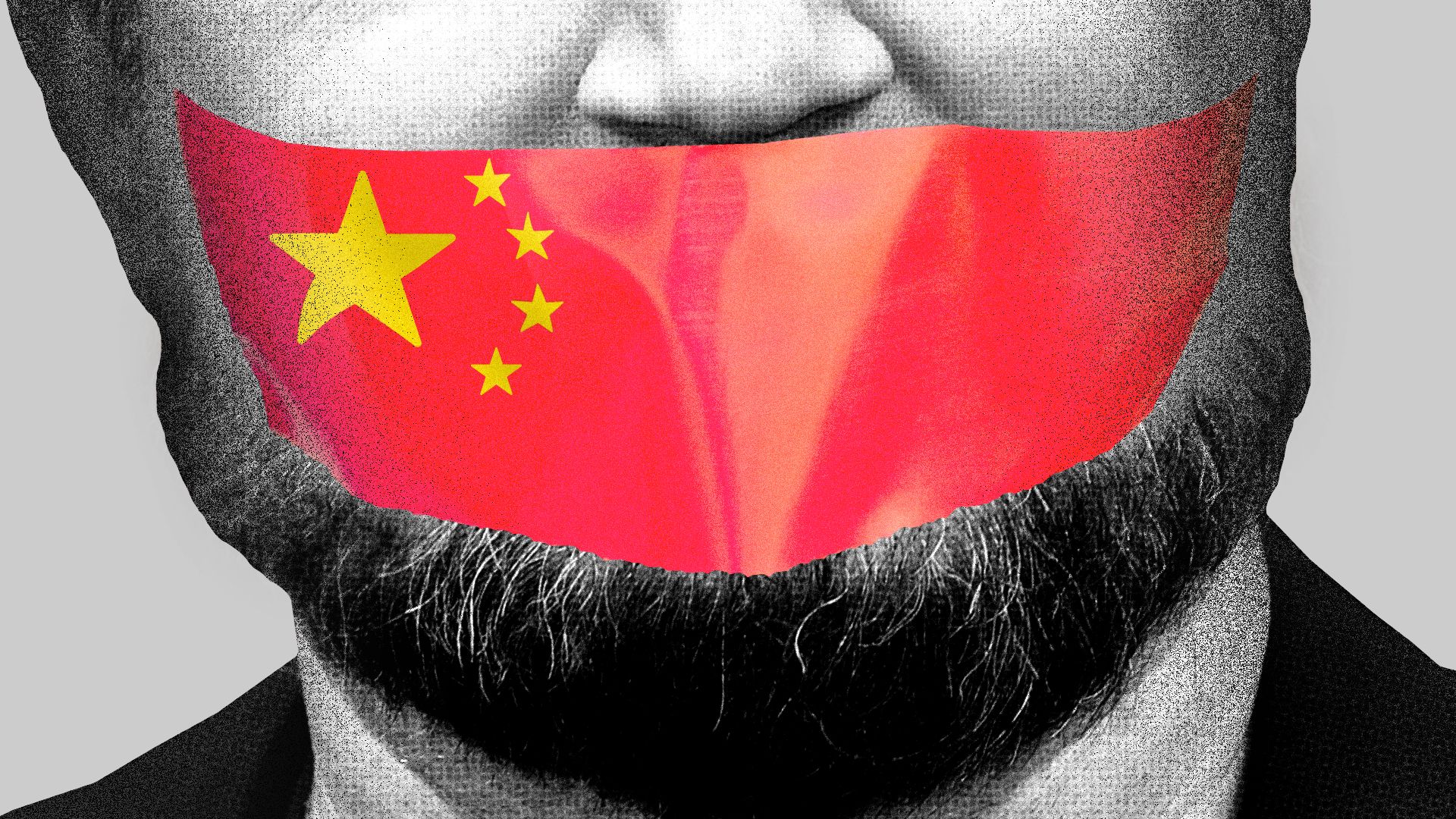
The NBA’s swift apology to Chinese fans for a single tweet in support of Hong Kong protestors is part of a troubling trend: The Communist Party in Beijing is setting boundaries for what Americans more than 7,000 miles away are willing to say on sensitive issues.
The NBA’s swift apology to Chinese fans for a single tweet in support of Hong Kong protestors is part of a troubling trend: The Communist Party in Beijing is setting boundaries for what Americans more than 7,000 miles away are willing to say on sensitive issues.
Why it matters: This isn't a covert operation.
It's China using its market power to bully American companies and organizations in broad daylight — and muzzle free speech.
The big picture: U.S. companies are increasingly weighing in on social and political issues at home. But when it comes to China — in particular to Hong Kong or to mass detentions of Muslims in East Turkestan — they’re silent.
"When it has to do with market access in China and profits ... they will bend over backwards to apologize," says Bonnie Glaser, an expert on China at the Center for Strategic and International Studies.
The latest: An image that Houston Rockets' general manager Daryl Morey tweeted — then quickly deleted — that backed Hong Kong's pro-democracy protests kicked off a firestorm in China.
Both Morey and the NBA backtracked after offending Chinese fans.
But the Chinese government, the Chinese Basketball Association and multiple Chinese businesses have severed ties with the Rockets, reports Axios' Kendall Baker.
Hanging in the balance is an NBA-Tencent streaming deal worth billions, the support of millions of Chinese fans and Morey's job.
This isn't the first time Beijing has squeezed an apology out of — or even changed the behavior of — an American entity.
Marriott apologized to China after Beijing shut down the hotel chain's website because it listed Hong Kong, Taiwan, Tibet and Macau as separate countries.
"We don’t support separatist groups that subvert the sovereignty and territorial integrity of China,” the company said in a statement.
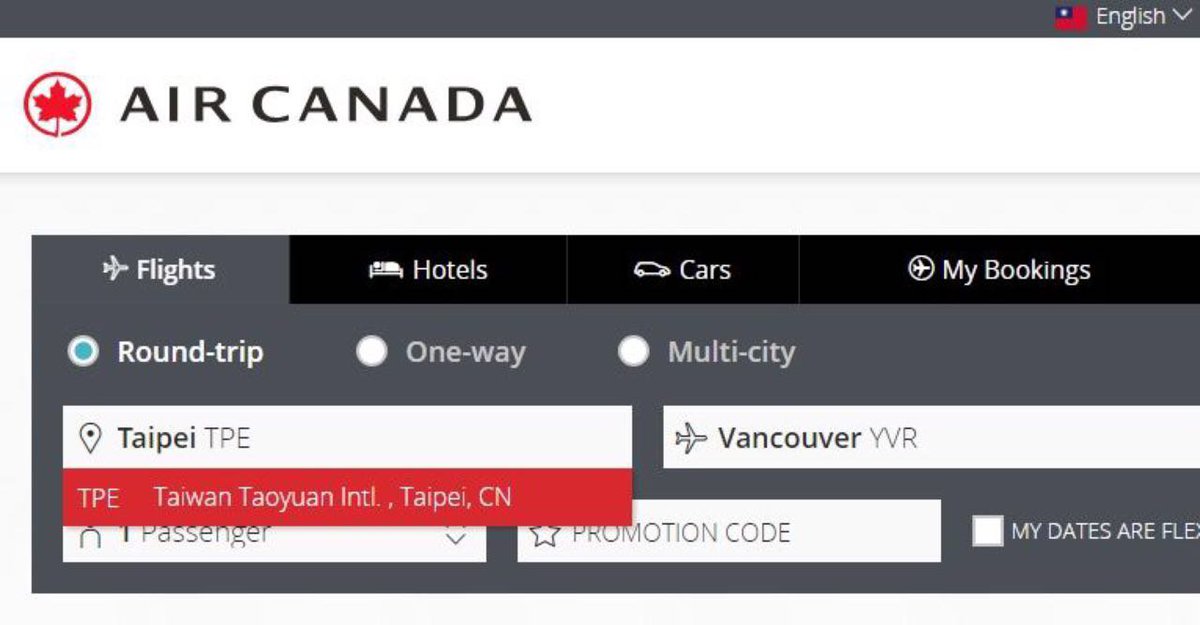
All three big U.S. airlines — American, United and Delta — bent to China's will last summer and scrubbed references to Taiwan as its own country.
The Gap — under threat of getting cut out of China — apologized for selling T-shirts with a map of China that didn't include Tibet or Taiwan.
All three big U.S. airlines — American, United and Delta — bent to China's will last summer and scrubbed references to Taiwan as its own country.
The Gap — under threat of getting cut out of China — apologized for selling T-shirts with a map of China that didn't include Tibet or Taiwan.
The company said its map was "incorrect."
Beijing, which is Hollywood's biggest international market, has also pushed American studios to alter content in order to get into Chinese theaters.
What to watch: NBA commissioner Adam Silver released a statement on the situation this morning.
"It is inevitable that people around the world — including from America and China — will have different viewpoints over different issues. It is not the role of the NBA to adjudicate those differences."
"However, the NBA will not put itself in a position of regulating what players, employees and team owners say or will not say on these issues. We simply could not operate that way."
The bottom line: Leveraging foreign access to its 1.5 billion consumers is one of China’s most potent weapons against the U.S.
"It's an authoritarian government, and the Communist Party is in control," Glaser says.
"They are able to have impact on what their citizens do, and they can mobilize their citizens to hold boycotts if they want do that."