Affichage des articles dont le libellé est Broadcom-Qualcomm. Afficher tous les articles

mardi 13 mars 2018

The China Telecom Threat Is Patently Obvious

A justified fear underlay the Broadcom-Qualcomm rejection.
By Tim Culpan
The word China didn't appear once in President Donald Trump's executive order prohibiting Broadcom Ltd.'s takeover of Qualcomm Inc.
It did pop up a lot in the public and private lobbying that led to his sudden decision late Monday. 
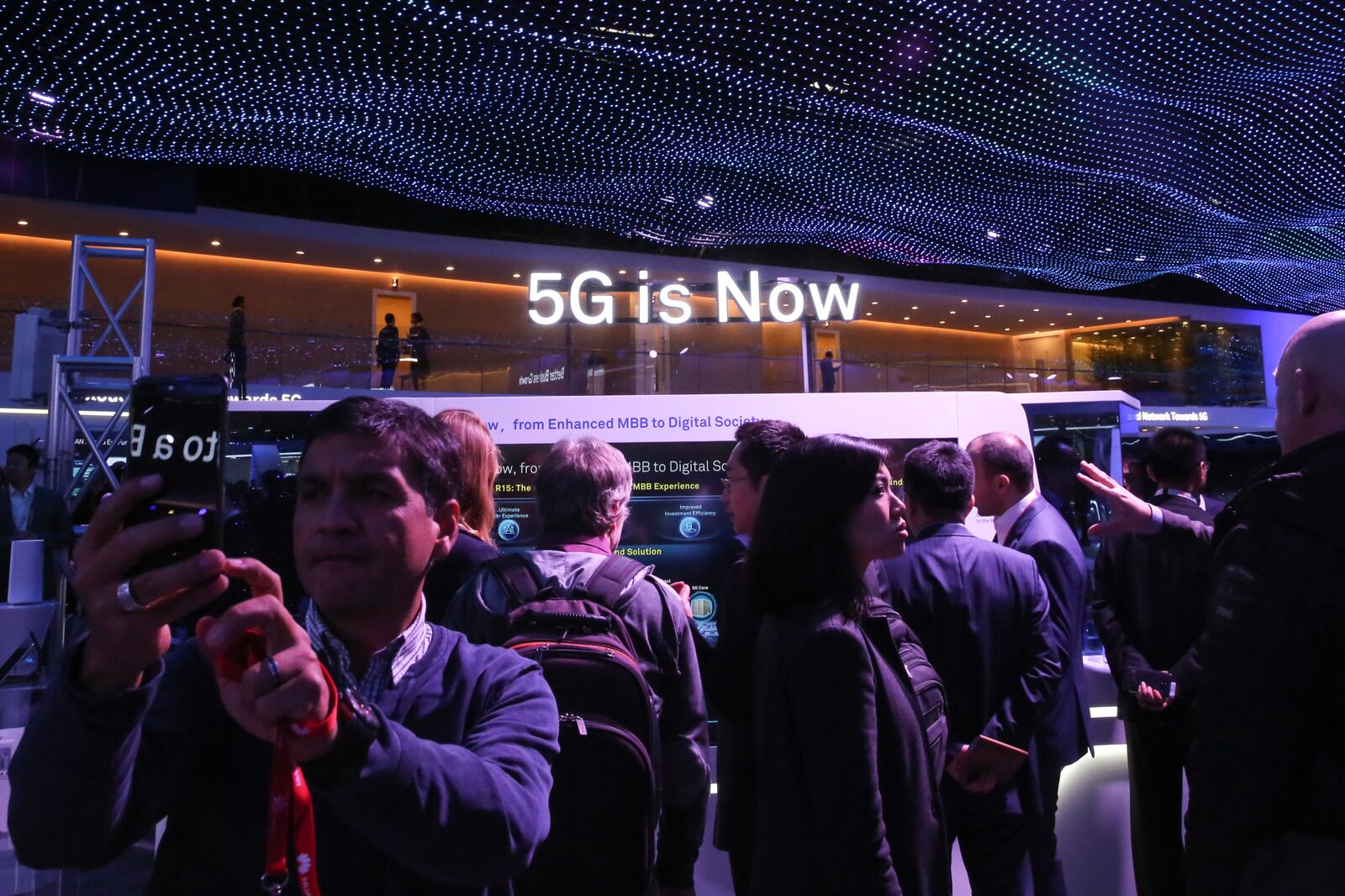
The fear is that China is a rising force, and a merger of the two big telecom firms would undermine U.S. dominance in the industry, especially heading into the next generation of mobile technology known as 5G.
World Intellectual Property Organization data show the U.S. is right to be wary. 
The numbers from the UN agency also indicate that China's technological ascent probably won't be stopped by one executive order.
To smooth the process of patent applications worldwide, inventors can file for an international grant through the Patent Cooperation Treaty, to which 152 states are signatories -- including the U.S. and China. 
This type of filing is a little esoteric, but is becoming increasingly important in global markets.
While the U.S. leads the world in such applications, the two largest single corporate grant holders are Chinese. 
And they're both telecom companies.
ZTE Corp. filed for a record 4,123 patents through the PCT in 2016, the latest year for which figures are available, followed by Huawei Technologies Co. at 3,692. 
Third came Qualcomm, with 2,466.
This situation isn't new. 
ZTE and Huawei have regularly been among the top three PCT applicants over the past few years. Yet the massive increase in their filings -- they more than doubled in 2016 compared with 2010 -- indicates an aggressive push as the world races toward the next round of technology.
To be clear, patent applications aren't a perfect measure of prowess. 
The ability to successfully implement technology and win over clients is important, and Qualcomm is a master at that. 
But China's commitment to taking ground from the U.S. is, well, patently obvious.

mercredi 7 mars 2018

Chinese Espionage

Washington Is Obsessed With Huawei
By Stu Woo

In intervening this week in the Broadcom-Qualcomm takeover battle, the U.S. government also had its eye on another company: China’s Huawei Technologies Co.
Huawei in the past three months has been the subject of a series of interventions by the Trump administration and Congress across the telecommunications industry.
The latest was Washington’s move this week to intervene in Singapore-based Broadcom Ltd.’s attempted hostile takeover of U.S.-based Qualcomm Inc. 
It ordered Qualcomm to delay a shareholder vote that Broadcom hoped would elevate directors friendly to its $117 billion bid.
In a letter explaining its interference, the Committee on Foreign Investment in the U.S., a panel that reviews foreign takeovers for national-security concerns, cited its worry that China, specifically Huawei, could gain the upper hand in the development of 5G technology.
Translation: Removing an able U.S. competitor to Huawei risks strengthening the Chinese company at the expense of the American wireless industry.
Broadcom on Tuesday tried to dispel those concerns. 
“We are fully cooperating with CFIUS, and are absolutely committed to making the combined company a global leader in critical 5G and other technologies,” a spokesman said in a statement.
5G is the next-generation mobile-network technology that the industry is preparing to roll out around the world. 
American officials and Western telecom companies worry that if China gains widespread 5G before the U.S. does, it could have a head start in technologies that the new networks’ speed and capacity are expected to kick-start, like self-driving cars.
Washington policy makers and industry executives have suggested a deeper worry that, with Huawei’s help, China could displace Silicon Valley as the world’s innovation center and lure top engineers there. 
Another concern: If Huawei extends its lead in the telecom-equipment industry, American wireless carriers might have no choice but to use Huawei gear in the future.
Major American wireless carriers, such as AT&T Inc. and Verizon Communications Inc.,have said they are initially focusing 5G coverage in a few cities. 
“What I see in the U.S. is wireless carriers choosing particular geographic markets for 5G,” said Gartner Inc. analyst Ian Keene. 
“The way the Chinese are going to approach it, it’s going to be blanketed.”
The extent to which the U.S. government shares that fear was laid bare in unusual clarity in the CFIUS letter. 
The committee said it would probe whether a Broadcom-Qualcomm tie-up would “leave an opening for China to expand its influence on the 5G standard setting process.” 
It cited specifically Huawei’s 5G “engagement.”
In the past decade, U.S. telecom companies such as Lucent and Motorola merged into foreign hands, leaving Qualcomm as one of the few American powerhouses in the industry. 
Huawei buys chips from and pays patent royalties to Qualcomm, and on Tuesday the two sides were close to an agreement to settle a patent-royalty dispute, according to people familiar with the matter. The two also fiercely compete for cellular patents. 
In that $14 billion a-year-industry, Qualcomm dominates. 
Both are leaders in the international consortium currently setting standards for 5G.
“When you look at the whole package—the standards innovations, the hardware innovation, the impact on the industry from a technology perspective – then yes, Qualcomm is the leader in 5G,” said Bob DiFazio, vice president at wireless-technology developer InterDigital.
Concern over Huawei isn’t new. 
Congress effectively barred major carriers from using the company, after a 2012 report concluded Huawei's equipment is designed to spy or disable telecom networks.
Late last year, congressional pressure mounted on AT&T to drop plans to sell Huawei smartphones in the U.S. 
In a surprise reversal, the company did just that in January; it declined to cite a reason.
Then, a National Security Council official cited Huawei’s telecom-equipment-industry dominance in a proposal to build a government-backed nationwide, 5G wireless network. 
After the proposal became public in January, drawing widespread criticism from other government officials and the wireless industry, a Trump administration spokeswoman said it was only an early stage idea.
And in December, President Donald Trump signed a defense-spending bill that will ban equipment from Huawei and China’s ZTE Corp. from the Defense Department’s nuclear-weapon infrastructure. Lawmakers in the House and Senate have also introduced separate bills to bar the U.S. government and its contractors from using Huawei and ZTE equipment.

https://www.phonearena.com/news/Former-CIA-chief-has-seen-hard-evidence-of-Huawei-spying-on-behalf-of-China_id45500