
With a population of 1.3 billion people and rising, China unsurprisingly boasts the world's highest number of megacities.
So what qualifies as a megacity?
Most commonly, it's defined as an urban agglomeration of 10 million or more inhabitants.
That's the equivalent of the population of Sweden.
According to the United Nations' data booklet, China has six of the world's 33 megacities.
That's the equivalent of the population of Sweden.
According to the United Nations' data booklet, China has six of the world's 33 megacities.
The China Statistic Yearbook, however, indicates that there are at least 10 cities with more than 10 million permanent residents.
It's worth noting that population data is tricky to produce in China.
It's worth noting that population data is tricky to produce in China.
One reason is the sustained wave of migrant workers moving from rural to urban areas.
Millions make the switch every year, often without securing the proper household registration, or "hukou."
(Populations listed in this article are the most recent figures released by each provincial government.)
These cities are often some of the country's biggest tourist destinations, too.
"Being a megacity means more business and population, which will certainly increase the exposure of the city in international media," Mimi Li, an associate professor in China Tourism at the Hong Kong Polytechnic University, tells CNN Travel.
"Cities with long history such as Beijing, Shanghai and Guangzhou benefit from positive brand image and a wealth of cultural attractions. A newly developed vibrant city may bring in business travelers, with Shenzhen as a good example.
"Now that the tourism industry has been seen as a strategic pillar in the national economy of China, we foresee a closer relationship between city development and tourism development," says Li.
Li highlights Hangzhou and Chengdu as up-and-coming tourism hotspots in China.
"Hangzhou would mainly benefit from, in addition to the cultural resources, its vibrant business environment and innovative atmosphere," says Li.
"Chengdu has been long perceived as a leisure city by Chinese domestic tourists. In addition, Chengdu benefits from its vast tourism resources."
Indeed, there's so much more to these cities than just high populations.
Covering everything from exciting tourism developments and financial prowess to geographical grandness, CNN Travel looks beyond the figures to highlight 14 humongous cities -- including China's big six listed by the UN -- that boggle the mind and spark wanderlust among fans of urban spaces.
1. Chongqing

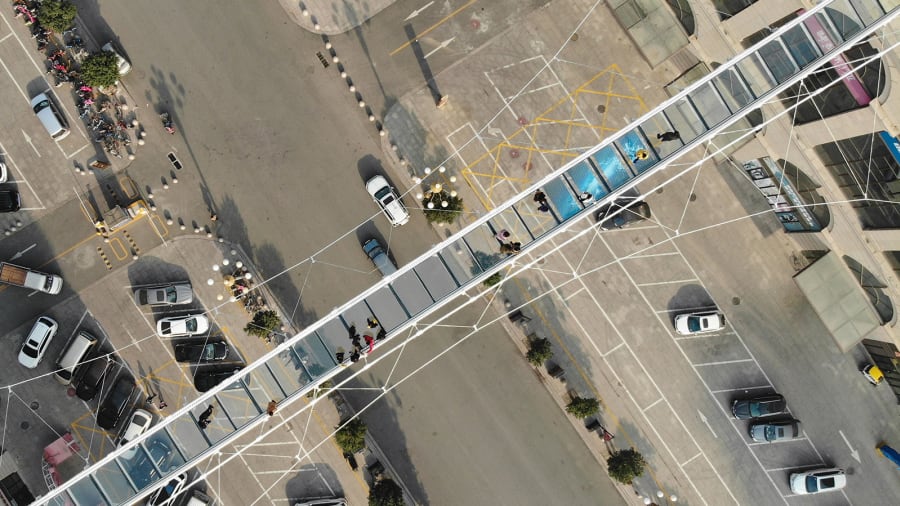
Dubbed an engineering marvel, the highly anticipated Raffles City Chongqing project is nearly complete.
(Populations listed in this article are the most recent figures released by each provincial government.)
These cities are often some of the country's biggest tourist destinations, too.
"Being a megacity means more business and population, which will certainly increase the exposure of the city in international media," Mimi Li, an associate professor in China Tourism at the Hong Kong Polytechnic University, tells CNN Travel.
"Cities with long history such as Beijing, Shanghai and Guangzhou benefit from positive brand image and a wealth of cultural attractions. A newly developed vibrant city may bring in business travelers, with Shenzhen as a good example.
"Now that the tourism industry has been seen as a strategic pillar in the national economy of China, we foresee a closer relationship between city development and tourism development," says Li.
Li highlights Hangzhou and Chengdu as up-and-coming tourism hotspots in China.
"Hangzhou would mainly benefit from, in addition to the cultural resources, its vibrant business environment and innovative atmosphere," says Li.
"Chengdu has been long perceived as a leisure city by Chinese domestic tourists. In addition, Chengdu benefits from its vast tourism resources."
Indeed, there's so much more to these cities than just high populations.
Covering everything from exciting tourism developments and financial prowess to geographical grandness, CNN Travel looks beyond the figures to highlight 14 humongous cities -- including China's big six listed by the UN -- that boggle the mind and spark wanderlust among fans of urban spaces.
1. Chongqing
Dubbed an engineering marvel, the highly anticipated Raffles City Chongqing project is nearly complete.
Population: 30.75 million
Area: 82,300 square kilometers
With a staggering population of over 30 million people, Chongqing -- spanning 82,300 square kilometers in China's mid-western region -- is the country's biggest city by far.
To put that into perspective, Canada has a population of 36 million and Austria comprises an area of 83,879 square kilometers.
A municipality with nine urban districts, Chongqing is referred to by some as the world's most populous city -- depending on whether you count Tokyo as Greater Tokyo Area (around 38 million people) or Tokyo Metropolis only (13 million people).
Bear in mind, others scoff at claims that this city is as big as the government claims given the outer limits of Chongqing are filled with farming and mining communities that feel more like villages than urban centers.
Nonetheless, the city is starting to appeal to travelers, too.
Chongqing was named the world's fastest-growing tourism city according to the World Travel and Tourism Council in 2017.
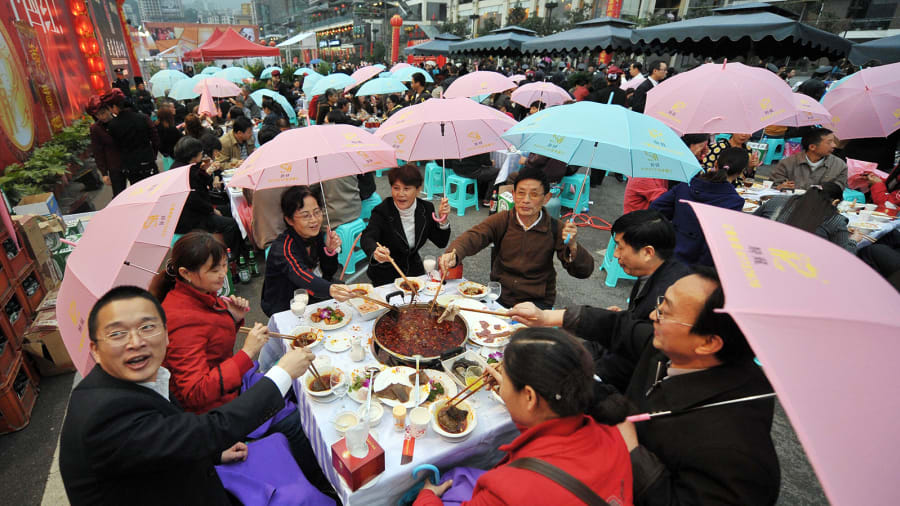
Chongqing is known for its tongue-numbing chili pepper hotpot -- there are about 30,000 hotpot restaurants in the city -- and a recently renovated Yangtze River Cableway across the river.
A number of large-scale tourism projects are planned for the next few years in Chongqing including a Six Flags theme park.
2. Shanghai
 Shanghai might not be China's biggest city, but it's certainly its richest.
Population: 24.18 million
Area: 6,340 square kilometers
While Shanghai's size and population -- 6,340 square kilometers and more than 24 million people (making it the second most populous city in China) -- are already impressive, nothing trumps its financial prowess.
With a GDP of more than RMB 3 trillion (or US$448 billion), Shanghai is the richest city in China.
Its residents are also the country's biggest spenders, with the city amassing RMB 1.1 trillion (US$164.1 billion) total retail sales on consumer goods in 2017.
The Port of Shanghai has been the busiest container port in the world since 2010 -- handling more than 40 million TEUs (twenty-foot equivalent units) a year.
In comparison, Singapore, ranked second, handled about seven million fewer TEUs in 2017.
Shanghai is as famous for its futuristic skyscrapers -- the movie "Her" was partly shot in Shanghai -- as its glamorous historical architecture in The Bund and Yuyuan Garden.
3. Beijing
Population: 21.71 million
Area: 16,808 square kilometers
Being the political, historical and cultural heart of China, Beijing is unsurprisingly one of the country's biggest cities.
Serving as the ancient capital in various dynasties, Beijing has been an influential epicenter of China for the past 3,000 years.
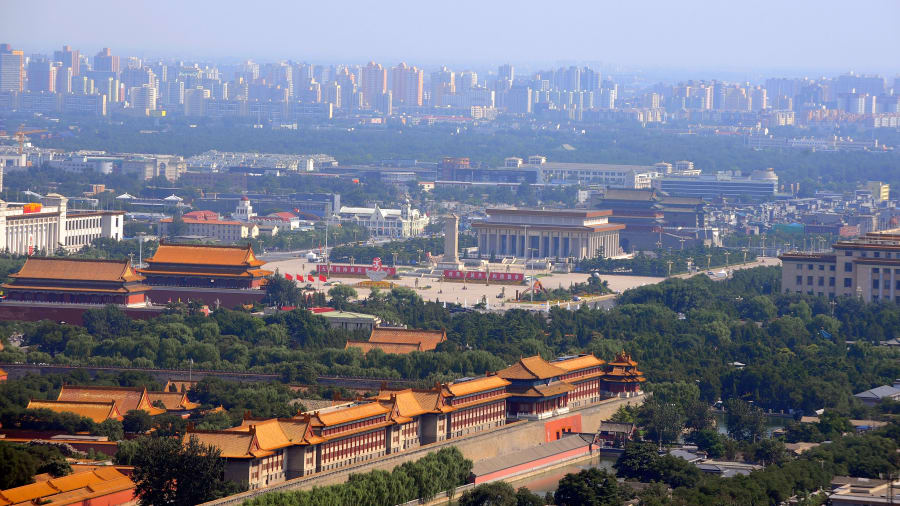
It's home to seven UNESCO World Heritage sites -- the most in China, including the Forbidden City, which welcomed 17 million visitors in 2018.
The number easily rivals the number of international tourists for entire countries.
About 21 million people call Beijing home, making it the third most populous city in China.
4. Chengdu
Population: 16.33 million
Area: 12,132 square kilometers
The hometown of pandas and spicy hotpots (its biggest hotpot rival Chongqing will probably object), Chengdu is one of the biggest rising stars in China.
Chengdu has a sizable human population of more than 16 million, but its most popular residents have to be its furry black-and-white residents.
Being home to the world's biggest panda nursery, Chengdu successfully bred 42 of the 45 surviving panda babies in 2018.
Chengdu received 210 million visitors and raked in RMB 303.8 billion ($45 billion) in tourism revenue in 2017, contributing to 34% of Sichuan province's entire income.
5. Harbin
Population: 16.33 million
Area: 12,132 square kilometers
Harbin is a unique Chinese megacity thanks to its supersized winter infrastructure and Russia-influenced architecture (it's just a short distance to the border).
In addition to hosting the world's biggest Ice and Snow Festival, Harbin boasts the world's largest indoor ski park, which is inside the Wanda Harbin Mall (including six ski slopes up to 500 meters long).
Dubbed the Ice City, Harbin endures severe long winters, with temperatures as low as -38°C and a snow season that can last up to half a year.
To warm up the residents, the city also has the world's largest water park -- the 300,000-square-meter (twice the size of the Forbidden City) Poseidon Beach Water World -- with a tropical indoor beach temperature of 30C.
6. Guangzhou
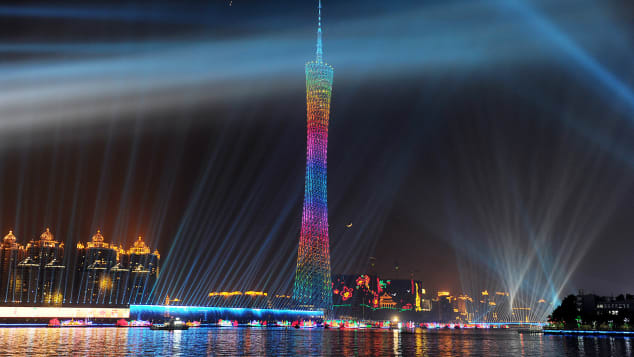 Guangzhou has been a major trading port since the 6th century.
Population: 14.49 million
Area: 7,434 square kilometers
Unlike its Canton-rival Shenzhen, Gangzhou's success story dates back hundreds of years.
A major trading port along the historical maritime Silk Roads as early as the sixth century, Guangzhou is one of the richest cities in China for centuries.
In 2017, it contributed to RMB 2 trillion GDP (or US$297 billion) to the country -- just behind Shanghai, Beijing and Shenzhen.
For tourists, major highlights include the Guangdong Science Center -- the world's largest.
Spanning 450,000 square meters with eight themed exhibition areas, Guangdong Science Center is the Disneyland for STEM-addicted parents and kids.
7. Tianjin
Population: 15.57 million
Area: 11,760 square kilometers
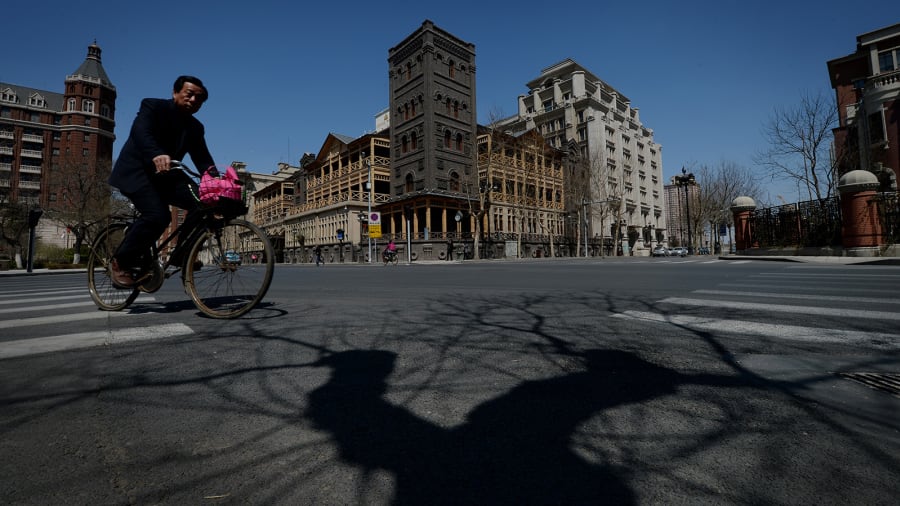
One of the only four municipality-level cities in China, the humble historic seaside city of Tianjin has long been overshadowed by its neighboring capital city Beijing, its glamorous southern counterpart Shanghai and even rapidly rising star Chongqing.
But that doesn't make it less attractive to Chinese citizens.
Tianjin has attracted a population of over 15 million people and a GDP of about RMB1.8 trillion per year.
In recent years, Tianjin has been working to build its tourism and high-tech industries by building a Binhai New Area, where a stunning futuristic seaside library is located.
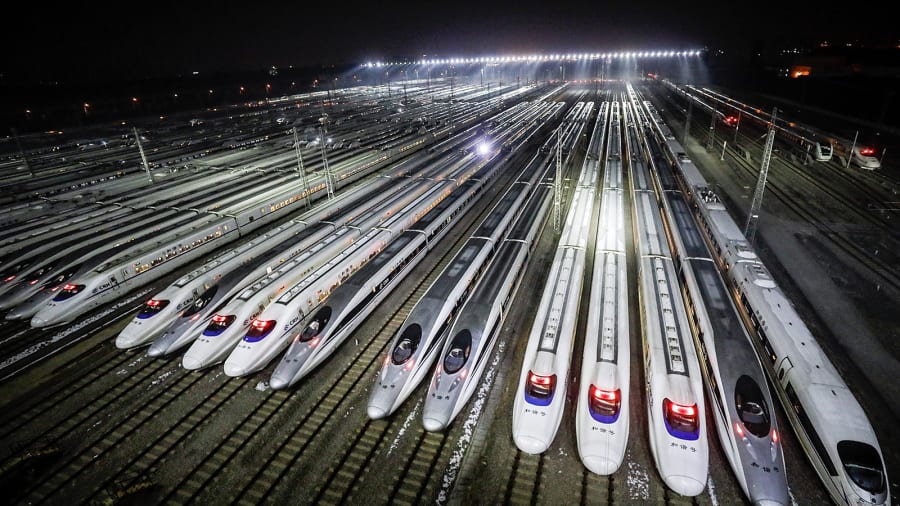
A high-speed railway route has been built to connect Tianjin to Beijing, shortening the commute to only 30 minutes.
8. Shenzhen

A China Mobile survey carried out in 2017 estimated that around 25 million people live in Shenzhen.
Chongqing is known for its tongue-numbing chili pepper hotpot -- there are about 30,000 hotpot restaurants in the city -- and a recently renovated Yangtze River Cableway across the river.
A number of large-scale tourism projects are planned for the next few years in Chongqing including a Six Flags theme park.
2. Shanghai
Shanghai might not be China's biggest city, but it's certainly its richest.Population: 24.18 million
Area: 6,340 square kilometers
While Shanghai's size and population -- 6,340 square kilometers and more than 24 million people (making it the second most populous city in China) -- are already impressive, nothing trumps its financial prowess.
With a GDP of more than RMB 3 trillion (or US$448 billion), Shanghai is the richest city in China.
Its residents are also the country's biggest spenders, with the city amassing RMB 1.1 trillion (US$164.1 billion) total retail sales on consumer goods in 2017.
The Port of Shanghai has been the busiest container port in the world since 2010 -- handling more than 40 million TEUs (twenty-foot equivalent units) a year.
In comparison, Singapore, ranked second, handled about seven million fewer TEUs in 2017.
Shanghai is as famous for its futuristic skyscrapers -- the movie "Her" was partly shot in Shanghai -- as its glamorous historical architecture in The Bund and Yuyuan Garden.
3. Beijing
Population: 21.71 million
Area: 16,808 square kilometers
Being the political, historical and cultural heart of China, Beijing is unsurprisingly one of the country's biggest cities.
Serving as the ancient capital in various dynasties, Beijing has been an influential epicenter of China for the past 3,000 years.
It's home to seven UNESCO World Heritage sites -- the most in China, including the Forbidden City, which welcomed 17 million visitors in 2018.
The number easily rivals the number of international tourists for entire countries.
About 21 million people call Beijing home, making it the third most populous city in China.
4. Chengdu
Population: 16.33 million
Area: 12,132 square kilometers
The hometown of pandas and spicy hotpots (its biggest hotpot rival Chongqing will probably object), Chengdu is one of the biggest rising stars in China.
Chengdu has a sizable human population of more than 16 million, but its most popular residents have to be its furry black-and-white residents.
Being home to the world's biggest panda nursery, Chengdu successfully bred 42 of the 45 surviving panda babies in 2018.
Chengdu received 210 million visitors and raked in RMB 303.8 billion ($45 billion) in tourism revenue in 2017, contributing to 34% of Sichuan province's entire income.
5. Harbin
Population: 16.33 million
Area: 12,132 square kilometers
Harbin is a unique Chinese megacity thanks to its supersized winter infrastructure and Russia-influenced architecture (it's just a short distance to the border).
In addition to hosting the world's biggest Ice and Snow Festival, Harbin boasts the world's largest indoor ski park, which is inside the Wanda Harbin Mall (including six ski slopes up to 500 meters long).
Dubbed the Ice City, Harbin endures severe long winters, with temperatures as low as -38°C and a snow season that can last up to half a year.
To warm up the residents, the city also has the world's largest water park -- the 300,000-square-meter (twice the size of the Forbidden City) Poseidon Beach Water World -- with a tropical indoor beach temperature of 30C.
6. Guangzhou
Guangzhou has been a major trading port since the 6th century.Population: 14.49 million
Area: 7,434 square kilometers
Unlike its Canton-rival Shenzhen, Gangzhou's success story dates back hundreds of years.
A major trading port along the historical maritime Silk Roads as early as the sixth century, Guangzhou is one of the richest cities in China for centuries.
In 2017, it contributed to RMB 2 trillion GDP (or US$297 billion) to the country -- just behind Shanghai, Beijing and Shenzhen.
For tourists, major highlights include the Guangdong Science Center -- the world's largest.
Spanning 450,000 square meters with eight themed exhibition areas, Guangdong Science Center is the Disneyland for STEM-addicted parents and kids.
7. Tianjin
Population: 15.57 million
Area: 11,760 square kilometers
One of the only four municipality-level cities in China, the humble historic seaside city of Tianjin has long been overshadowed by its neighboring capital city Beijing, its glamorous southern counterpart Shanghai and even rapidly rising star Chongqing.
But that doesn't make it less attractive to Chinese citizens.
Tianjin has attracted a population of over 15 million people and a GDP of about RMB1.8 trillion per year.
In recent years, Tianjin has been working to build its tourism and high-tech industries by building a Binhai New Area, where a stunning futuristic seaside library is located.
A high-speed railway route has been built to connect Tianjin to Beijing, shortening the commute to only 30 minutes.
8. Shenzhen
A China Mobile survey carried out in 2017 estimated that around 25 million people live in Shenzhen.
Population: 11.9 million
Area: 2,050 square kilometers
Transforming from a rural village to one of the world's biggest metropolises in just three decades, Shenzhen is an urban Cinderella tale -- and its fairy godfather is China's former leader, Deng Xiaoping.
Being appointed the country's first "special economic zone" by Deng in 1980, Shenzhen hasn't stopped thriving ever since.
Among the 143 buildings completed around the globe in 2018, about 10% of them were built in Shenzhen.
It also has the world's fourth tallest building, the Ping An Finance Centre.
While the official figure claims Shenzhen has around 12 million residents, a China Mobile 2017 survey found that around 25 million people treat Shenzhen as home.
Visiting is easy -- it's just over the border from Hong Kong connected by multiple trains and buses -- including a new bullet train. (Though bear in mind you'll likely need a visa.)
9. Wuhan
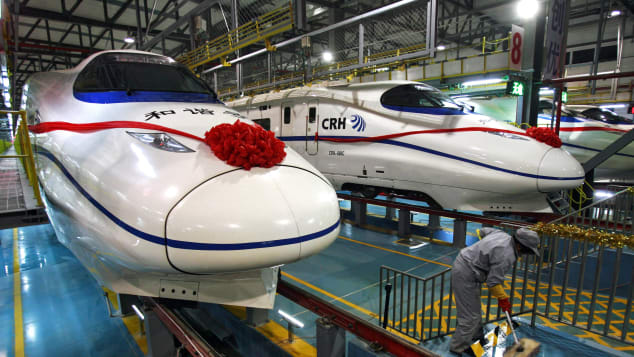
Thanks to its central location, Wuhan is one of the biggest transportation hubs in China.
Population: 10.89 million
Area: 8,494 square kilometers
Another megacity in China (with a population of just over 10 million people), Wuhan is the biggest city in the country's central region.
Thanks to its location, Wuhan is one of the biggest transportation hubs in China and its busiest connecting railway hub.
It's home to two humongous lakes -- the 47.6-square-kilometer Tangxun Lake (largest lake enclosed by a city in Asia) and the 33-square-kilometer East Lake.
Wuhan is one of the fastest growing/youngest second-tier cities in China.
It's been luring young graduates to stay in the city with a generous housing policy, offering young talent a 20% discount on rent or purchase of a flat.
10. Shijiazhuang
Population: 10.87 million
Area: 15,849 square kilometers
A relatively unfamiliar name on China's megacity list, Shijiazhuang is the provincial capital city of Hebei.
With about 10 million people living in Shijiazhuang now, it's difficult to imagine that in the early 20th century, Shijiazhuang was an unassuming village of a few hundred people.
It grew rapidly in the last 70 years when railroads were constructed in the area, making it an important transportation hub in the province.
It was designated the provincial capital in 1968.
The city is famous for its rich natural resources and neighboring scenery -- Shijiazhuang sits between the towering Taihang Mountains and the North China Plain.
11. Suzhou
Population: 10.68 million
Area: 8,488 square kilometers
In addition to having a population of between 9-10 million people and one of the highest GDP values in China, Suzhou has plenty of unbeatable attractions, too.
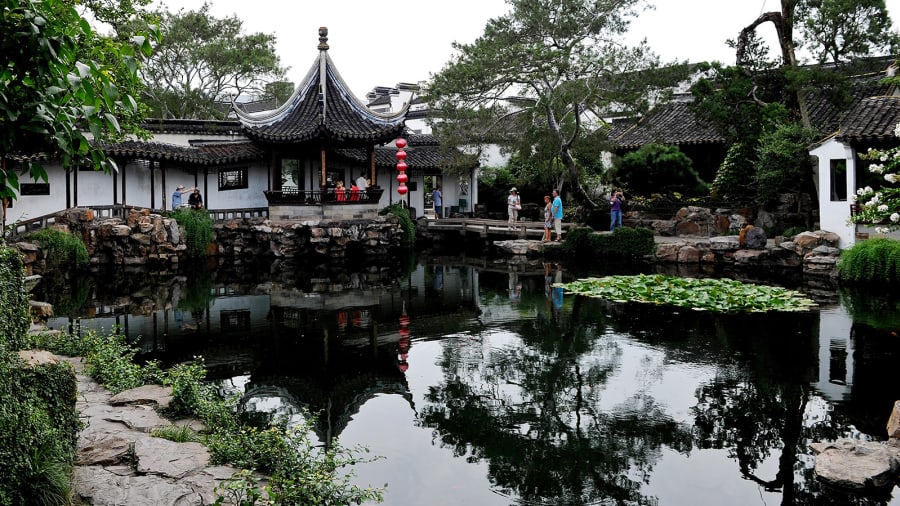
Located 100 kilometers west of Shanghai, Suzhou features some of the most exquisite ancient Chinese gardens in the country.
It's also one of the most historical cities in China, with a history that can be traced back to 2,500 years ago.
Suzhou also has the tallest planned skyscraper in China.
Area: 2,050 square kilometers
Transforming from a rural village to one of the world's biggest metropolises in just three decades, Shenzhen is an urban Cinderella tale -- and its fairy godfather is China's former leader, Deng Xiaoping.
Being appointed the country's first "special economic zone" by Deng in 1980, Shenzhen hasn't stopped thriving ever since.
Among the 143 buildings completed around the globe in 2018, about 10% of them were built in Shenzhen.
It also has the world's fourth tallest building, the Ping An Finance Centre.
While the official figure claims Shenzhen has around 12 million residents, a China Mobile 2017 survey found that around 25 million people treat Shenzhen as home.
Visiting is easy -- it's just over the border from Hong Kong connected by multiple trains and buses -- including a new bullet train. (Though bear in mind you'll likely need a visa.)
9. Wuhan
Thanks to its central location, Wuhan is one of the biggest transportation hubs in China.
Population: 10.89 million
Area: 8,494 square kilometers
Another megacity in China (with a population of just over 10 million people), Wuhan is the biggest city in the country's central region.
Thanks to its location, Wuhan is one of the biggest transportation hubs in China and its busiest connecting railway hub.
It's home to two humongous lakes -- the 47.6-square-kilometer Tangxun Lake (largest lake enclosed by a city in Asia) and the 33-square-kilometer East Lake.
Wuhan is one of the fastest growing/youngest second-tier cities in China.
It's been luring young graduates to stay in the city with a generous housing policy, offering young talent a 20% discount on rent or purchase of a flat.
10. Shijiazhuang
Population: 10.87 million
Area: 15,849 square kilometers
A relatively unfamiliar name on China's megacity list, Shijiazhuang is the provincial capital city of Hebei.
With about 10 million people living in Shijiazhuang now, it's difficult to imagine that in the early 20th century, Shijiazhuang was an unassuming village of a few hundred people.
It grew rapidly in the last 70 years when railroads were constructed in the area, making it an important transportation hub in the province.
It was designated the provincial capital in 1968.
The city is famous for its rich natural resources and neighboring scenery -- Shijiazhuang sits between the towering Taihang Mountains and the North China Plain.
11. Suzhou
Population: 10.68 million
Area: 8,488 square kilometers
In addition to having a population of between 9-10 million people and one of the highest GDP values in China, Suzhou has plenty of unbeatable attractions, too.
Located 100 kilometers west of Shanghai, Suzhou features some of the most exquisite ancient Chinese gardens in the country.
It's also one of the most historical cities in China, with a history that can be traced back to 2,500 years ago.
Suzhou also has the tallest planned skyscraper in China.
Towering over the city at 729 meters, once complete it will be second in height, only surpassed by the 828-meter Khalifa Tower in Dubai.
Named Suzhou Zhongnan Center, the tower will be a multi-use project housing tourist attractions, a hotel, luxury residences and offices.
It's expected to be completed in 2021.
12. Hangzhou
Population: 9.8 million
Area: 16,847 square kilometers
According to Hurun Research Institute in 2019, a new unicorn company (a start-up with a company value of over $1 billion) is born about every four days in China, making the country the second largest breeding ground for unicorns in the world (The largest is still the United States).
With 18 unicorn companies, Hangzhou is the third biggest unicorn city by volume -- just after Beijing and Shanghai.
Hangzhou is also home to Alibaba, the e-commerce and tech giant, some of the most beautiful cityscapes, one of the best unknown Chinese cuisines.
West Lake, in the heart of the city, is one of the most romantic lakes in China and also the stage of an impressive Zhang Yimou-directed outdoor show Impression West Lake.
It's also known for producing some of the best silk and tea leaves in China.
13. Dongguan
 One fifth of the world's mobile phones are made in Dongguan.
Population: 8.26 million
Area: 2,465 square kilometers
Dubbed the factory of the world, Dongguan has been flourishing thanks to its manufacturing industry.
To cite a few figures, over 70% of the world's computer motherboards, 75% of the world's toys, 20% of the world's smartphones and 10% of the world's shoes are made here.
The world's biggest shopping mall, New South China Mall -- once called a "ghost mall" for its high vacancy rate -- is also in Dongguan.
Named Suzhou Zhongnan Center, the tower will be a multi-use project housing tourist attractions, a hotel, luxury residences and offices.
It's expected to be completed in 2021.
12. Hangzhou
Population: 9.8 million
Area: 16,847 square kilometers
According to Hurun Research Institute in 2019, a new unicorn company (a start-up with a company value of over $1 billion) is born about every four days in China, making the country the second largest breeding ground for unicorns in the world (The largest is still the United States).
With 18 unicorn companies, Hangzhou is the third biggest unicorn city by volume -- just after Beijing and Shanghai.
Hangzhou is also home to Alibaba, the e-commerce and tech giant, some of the most beautiful cityscapes, one of the best unknown Chinese cuisines.
West Lake, in the heart of the city, is one of the most romantic lakes in China and also the stage of an impressive Zhang Yimou-directed outdoor show Impression West Lake.
It's also known for producing some of the best silk and tea leaves in China.
13. Dongguan
One fifth of the world's mobile phones are made in Dongguan.Population: 8.26 million
Area: 2,465 square kilometers
Dubbed the factory of the world, Dongguan has been flourishing thanks to its manufacturing industry.
To cite a few figures, over 70% of the world's computer motherboards, 75% of the world's toys, 20% of the world's smartphones and 10% of the world's shoes are made here.
The world's biggest shopping mall, New South China Mall -- once called a "ghost mall" for its high vacancy rate -- is also in Dongguan.
The five-million-square feet mall (twice the size of Mall of America, the biggest shopping center in the United States) is now buzzing with activities.
The shopping mall has a giant Egyptian sphinx, a replica of the Arc de Triomphe and an indoor roller coaster.
14. Hulunbuir
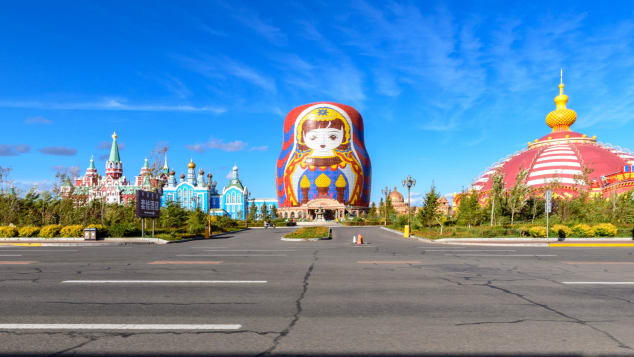
Hulunbuir's Matryoshka Hotel claims to have the world's biggest matryoshka doll.
Population: 2.5 million
Area: 263,953 square kilometers
Hulunbuir may not have the population to even come close to being named a megacity, but the prefecture-level city in Inner Mongolia is China's largest city by size.
The total jurisdiction area under Hulunbuir measures 263,954 square kilometers -- just slightly smaller than the US state of Texas.
It constitutes about 20% of Inner Mongolia.
The city is basically one gigantic green carpet -- with about 80,000 square kilometers of grasslands and 120,000 square kilometers of woodland.
The shopping mall has a giant Egyptian sphinx, a replica of the Arc de Triomphe and an indoor roller coaster.
14. Hulunbuir
Hulunbuir's Matryoshka Hotel claims to have the world's biggest matryoshka doll.
Population: 2.5 million
Area: 263,953 square kilometers
Hulunbuir may not have the population to even come close to being named a megacity, but the prefecture-level city in Inner Mongolia is China's largest city by size.
The total jurisdiction area under Hulunbuir measures 263,954 square kilometers -- just slightly smaller than the US state of Texas.
It constitutes about 20% of Inner Mongolia.
The city is basically one gigantic green carpet -- with about 80,000 square kilometers of grasslands and 120,000 square kilometers of woodland.


